Vinyasa Krama · The Sequence विन्यास क्रम
The Twelve Postures, in Orderबारह आसन, क्रम में
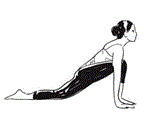
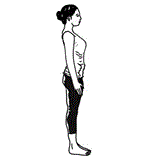
This is the classical twelve-posture round, moving with one breath per posture — inhale to open, exhale to fold. A full round repeats the sequence leading with the opposite leg in postures 4 and 9; many schools also bookend the round with Tadasana, which is how lineages arrive at counts anywhere from twelve to sixteen named asanas.
यह बारह आसनों का पारंपरिक चक्र है, जिसमें प्रत्येक आसन के साथ एक श्वास ली जाती है — खुलने वाले आसनों में श्वास लें, झुकने वाले आसनों में श्वास छोड़ें। पूर्ण चक्र में आसन 4 और 9 दूसरे पैर के साथ दोहराए जाते हैं; कई परंपराएँ चक्र के आरंभ व अंत में ताड़ासन भी जोड़ती हैं, इसीलिए विभिन्न परंपराओं में बारह से सोलह तक नामित आसन गिनाए जाते हैं।
Image reference: Art of Living ↗
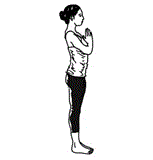
1
Pranamasana
Prayer Pose
प्रणामासन
Om Mitraya Namaha
BodyLevels the pelvis and spine, steadies the breath before movement begins.श्रोणि और रीढ़ को संतुलित करता है, गति शुरू होने से पहले श्वास को स्थिर करता है।
Brain & MindQuiets mental chatter and gathers scattered attention into one point.मन की उथल-पुथल शांत करता है और बिखरे ध्यान को एक बिंदु पर केंद्रित करता है।
AtmaA gesture of surrender — the ego bows before beginning, so the practice starts in humility, not ambition.समर्पण का भाव — अभ्यास शुरू होने से पहले अहंकार झुकता है, ताकि साधना विनम्रता से आरंभ हो।
Image reference: Art of Living ↗
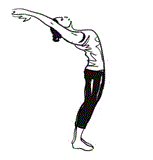
2
Hasta Uttanasana
Raised Arms Pose
हस्त उत्तानासन
Om Ravaye Namaha
BodyOpens the chest and lungs, stretches the abdomen and lengthens the spine.छाती और फेफड़ों को खोलता है, उदर को खींचता है और रीढ़ को लंबा करता है।
Brain & MindThe backward opening lifts mood and increases alertness.पीछे की ओर खुलाव मनोदशा को ऊपर उठाता है और सजगता बढ़ाता है।
AtmaReaching upward toward Ravi, the shining one — the heart opens to receive light rather than merely seek it.रवि की ओर ऊपर पहुँचना — हृदय प्रकाश खोजने के बजाय उसे ग्रहण करने हेतु खुलता है।
Image reference: Art of Living ↗
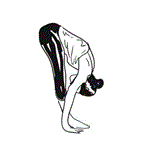
3
Hasta Padasana
Hand-to-Foot Pose
हस्त पादासन
Om Suryaya Namaha
BodyStretches hamstrings and calves, tones abdominal organs and aids digestion.हैमस्ट्रिंग व पिंडलियों को खींचता है, उदर के अंगों को सुदृढ़ करता है और पाचन में सहायक है।
Brain & MindThe forward fold increases blood flow to the brain and settles the nervous system.आगे झुकना मस्तिष्क में रक्त प्रवाह बढ़ाता है और तंत्रिका तंत्र को शांत करता है।
AtmaA full bow to Surya — humility before the source of life, the small self folding before the greater one.सूर्य के प्रति पूर्ण नमन — जीवन के स्रोत के समक्ष विनम्रता, लघु स्व का विराट के आगे झुकना।
Image reference: Art of Living ↗
4
Ashwa Sanchalanasana
Equestrian Pose
अश्व संचालनासन
Om Bhanave Namaha
BodyStrengthens the legs, opens the hip flexors, stimulates the abdominal organs.पैरों को मजबूत करता है, कूल्हों को खोलता है और उदर के अंगों को सक्रिय करता है।
Brain & MindThe lunge builds focus and quiet courage — the mind steadies as the body reaches forward.यह मुद्रा एकाग्रता और शांत साहस विकसित करती है — शरीर के आगे बढ़ने के साथ मन स्थिर होता है।
AtmaLike a horse advancing, the soul moves forward toward Bhanu, the luminous one, rather than standing still.घोड़े की भाँति आगे बढ़ते हुए, आत्मा स्थिर रहने के बजाय तेजस्वी भानु की ओर अग्रसर होती है।
Image reference: Art of Living ↗
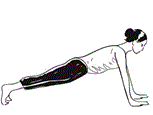
5
Dandasana
Plank / Stick Pose
दंडासन
Om Khagaya Namaha
BodyBuilds strength through the arms, wrists and core, and teaches whole-body stability.भुजाओं, कलाइयों और क्रोड की शक्ति बढ़ाता है और पूरे शरीर की स्थिरता सिखाता है।
Brain & MindDevelops sankalpa shakti — willpower — the mental effort of holding steady.संकल्प शक्ति — इच्छाशक्ति — का विकास करता है, स्थिर बने रहने का मानसिक प्रयास।
AtmaPoised like Khaga, a bird in flight — the soul learns to stay steady in the midst of effort.खग की भाँति उड़ान में स्थिर — आत्मा प्रयास के बीच भी अडिग रहना सीखती है।
Image reference: Art of Living ↗
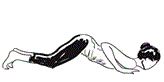
6
Ashtanga Namaskara
Salute with Eight Points
अष्टांग नमस्कार
Om Pushne Namaha
BodyStrengthens chest and arms as eight points of the body — feet, knees, chest, hands, chin — touch the earth.छाती और भुजाओं को मजबूत करता है, जब शरीर के आठ अंग — पैर, घुटने, छाती, हाथ, ठुड्डी — धरती से स्पर्श करते हैं।
Brain & MindThe literal lowering of the body softens the ego-driven stress response.शरीर का धरती की ओर झुकना अहंकार-जनित तनाव को मृदु करता है।
AtmaTotal surrender to Pushan, the nourisher — offering the whole body as an act of devotion.पोषक पूषण के प्रति पूर्ण समर्पण — भक्ति भाव से संपूर्ण शरीर का अर्पण।
Image reference: Art of Living ↗
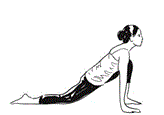
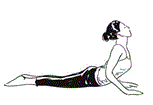
7
Bhujangasana
Cobra Pose
भुजंगासन
Om Hiranyagarbhaya Namaha
BodyOpens the chest, strengthens the spine, gently stimulates the digestive organs.छाती को खोलता है, रीढ़ को मजबूत करता है और पाचन अंगों को हल्के रूप से सक्रिय करता है।
Brain & MindEnergises the solar-plexus region and is widely felt to lift a heavy or low mood.सौर-जाल क्षेत्र को ऊर्जावान बनाता है और भारी या उदास मन को हल्का करने में सहायक माना जाता है।
AtmaThe rising of Hiranyagarbha, the golden womb — creative consciousness stirring and lifting within.हिरण्यगर्भ, स्वर्णिम गर्भ का उदय — भीतर सृजनात्मक चेतना का जागरण और उत्थान।
Image reference: Art of Living ↗
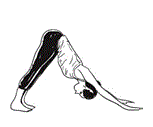
8
Adho Mukha Svanasana
Downward-Facing Dog
अधोमुख श्वानासन
Om Marichaye Namaha
BodyLengthens the spine, hamstrings and calves; strengthens the shoulders and relieves fatigue.रीढ़, हैमस्ट्रिंग व पिंडलियों को लंबा करता है; कंधों को मजबूत करता है और थकान दूर करता है।
Brain & MindThe gentle inversion increases circulation to the brain and calms the mind.यह हल्की उल्टी मुद्रा मस्तिष्क में रक्त संचार बढ़ाती है और मन को शांत करती है।
AtmaShaped like a mountain peak, the body honours Marichi, lord of the dawn's first rays, reaching toward the infinite.पर्वत-शिखर सा आकार लेकर शरीर प्रभात-किरणों के स्वामी मरीचि का सम्मान करता है, अनंत की ओर पहुँचते हुए।
Image reference: Art of Living ↗
9
Ashwa Sanchalanasana
Equestrian Pose, other leg
अश्व संचालनासन (दूसरा पैर)
Om Adityaya Namaha
BodyMirrors posture four, restoring balance and symmetry through both legs and hips.आसन चार का दर्पण-रूप, दोनों पैरों व कूल्हों में संतुलन और समरूपता लाता है।
Brain & MindThe mirrored movement balances effort across both hemispheres of the mind.यह दर्पण-गति मन के दोनों गोलार्धों में प्रयास को संतुलित करती है।
AtmaAditya, child of boundless Aditi, reminds the soul that its own nature is likewise without limit.असीम अदिति के पुत्र आदित्य, आत्मा को स्मरण कराते हैं कि उसका स्वभाव भी उतना ही असीम है।
Image reference: Art of Living ↗
10
Hasta Padasana
Hand-to-Foot Pose, return
हस्त पादासन (वापसी)
Om Savitre Namaha
BodyReleases tension built through the sequence and deepens the forward fold.क्रम भर में बना तनाव मुक्त करता है और आगे के झुकाव को गहरा करता है।
Brain & MindTurns attention inward, closing the outward-moving part of the round.ध्यान को भीतर की ओर मोड़ता है, चक्र के बाह्य-गामी भाग को समेटते हुए।
AtmaSavitr, the impelling power behind the Gayatri mantra, stirs the soul's own inner will to awaken.गायत्री मंत्र के पीछे की प्रेरक शक्ति सवितृ, आत्मा की भीतरी इच्छाशक्ति को जगाती है।
Image reference: Art of Living ↗
11
Hasta Uttanasana
Raised Arms Pose, return
हस्त उत्तानासन (वापसी)
Om Arkaya Namaha
BodyRe-expands the chest and spine, energising the body before it returns to stillness.छाती और रीढ़ को पुनः विस्तार देता है, स्थिरता में लौटने से पहले शरीर को ऊर्जावान बनाता है।
Brain & MindAn uplifting shift in energy prepares the mind to return to centre.ऊर्जा में यह उत्थान मन को केंद्र की ओर लौटने हेतु तैयार करता है।
AtmaArka, the cosmic fire worthy of praise, is honoured as reverence rises with the body.स्तुति योग्य ब्रह्मांडीय अग्नि अर्क का सम्मान, जैसे-जैसे शरीर उठता है भक्ति भाव भी उठता है।
Image reference: Art of Living ↗
12
Tadasana / Pranamasana
Mountain Pose, return
ताड़ासन / प्रणामासन
Om Bhaskaraya Namaha
BodyIntegrates the whole round and resets posture to standing stillness.पूरे चक्र को समेकित करता है और मुद्रा को स्थिर खड़े रूप में लौटाता है।
Brain & MindThe nervous system settles, and the mind absorbs the effect of the completed round.तंत्रिका तंत्र शांत होता है, और मन पूर्ण हुए चक्र के प्रभाव को आत्मसात करता है।
AtmaBhaskara, the illuminator — the cycle closes as the soul recognises its own light mirrored in the sun's.प्रकाशदाता भास्कर — चक्र पूर्ण होता है जब आत्मा अपने ही प्रकाश को सूर्य में प्रतिबिंबित देखती है।
Note on numbering: this page names the twelve core postures of the classical round. Because postures 4, 5 and 9–11 repeat with a mirrored leg or a return movement, a single full round contains closer to twenty-two individual movements — and lineages that treat Tadasana, Parvatasana variants, or the mirrored lunge as separately named asanas commonly describe the sequence as having anywhere from twelve to sixteen named postures.
गिनती पर टिप्पणी: यह पृष्ठ पारंपरिक चक्र के बारह मुख्य आसनों के नाम देता है। चूँकि आसन 4, 5 और 9–11 विपरीत पैर या वापसी की गति के साथ दोहराए जाते हैं, एक पूर्ण चक्र में वास्तव में लगभग बाईस गतियाँ होती हैं — और जो परंपराएँ ताड़ासन, पर्वतासन के रूपांतर या दर्पण-लंज को अलग नामित आसन मानती हैं, वे इस क्रम को बारह से सोलह नामित आसनों वाला बताती हैं।