← Back to Practice · अभ्यास पर लौटें
ॐ

Surya Namaskar

सूर्य नमस्कार — salutations to the sun

A living Vedic sadhana: twelve postures, twelve breaths, twelve names of the sun — practised at dawn to awaken body, mind, and atma before any other yogasana of the day.

एक जीवंत वैदिक साधना: बारह आसन, बारह श्वास, सूर्य के बारह नाम — दिन के किसी भी अन्य योगासन से पहले प्रातःकाल शरीर, मन और आत्मा को जगाने हेतु अभ्यास किए जाते हैं।

begin the descent
Itihasa · History इतिहास

Origins of the Sun Salutationसूर्य नमस्कार की उत्पत्ति

Long before Surya Namaskar was a fitness routine, it was a rite of worship. Its roots reach into the Rigveda, where entire hymns — the Surya Sukta among them — praise the sun as pratyaksha devata, the one deity visible to every eye, the source of prana, sight, and time itself. What we practise on the mat today is the meeting point of that ancient sun-worship with a much later, very human act of design.

सूर्य नमस्कार एक व्यायाम बनने से बहुत पहले एक पूजा-विधि था। इसकी जड़ें ऋग्वेद में हैं, जहाँ सूर्य को प्रत्यक्ष देवता — हर आँख को दिखाई देने वाला एकमात्र देवता, प्राण, दृष्टि और समय का स्रोत — कहकर स्तुति की गई है। आज हम चटाई पर जो अभ्यास करते हैं, वह उस प्राचीन सूर्य-पूजा और बहुत बाद के, एक मानवीय रचनात्मक प्रयास के मिलन का परिणाम है।

c. 1500–1000 BCE · Vedic Age

Sun worship in the Rigvedaऋग्वेद में सूर्य पूजा

Vedic seers greet the rising sun with mantra and gesture in the daily sandhyavandanam — prayers performed at the three junctions of the day, dawn foremost among them. The sun is invoked as friend, nourisher, and illuminator, the seeds of the twelve names later folded into Surya Namaskar.वैदिक ऋषि प्रतिदिन तीन संध्याओं में, विशेषकर प्रातःकाल, मंत्र और भाव के साथ उगते सूर्य का स्वागत करते थे — मित्र, पोषक और प्रकाशक के रूप में सूर्य का आवाहन ही आगे चलकर सूर्य नमस्कार के बारह नामों का बीज बना।

c. 15th century · Hatha Yoga Period

Postures enter the practiceहठ योग में आसन का प्रवेश

Medieval hatha yoga texts, including the Hatha Yoga Pradipika, systematise asana as a physical discipline supporting pranayama and meditation. Prostration-style sun salutations already exist in temple and household ritual, but not yet as the single flowing sequence we know.हठ योग प्रदीपिका जैसे मध्यकालीन ग्रंथों ने आसन को प्राणायाम और ध्यान के सहायक एक व्यवस्थित शारीरिक अनुशासन के रूप में स्थापित किया। मंदिरों व घरों में साष्टांग प्रणाम पहले से प्रचलित था, पर अभी तक एक सुसंगत क्रम नहीं बना था।

1920s–30s · Princely State of Aundh

Bhawanrao Shriniwasrao Pant Pratinidhiऔंध के भवानराव पंत प्रतिनिधि

The Raja of Aundh, in present-day Maharashtra, threads together ritual sun-prostrations with the physical-culture ideas of his era into a single twelve-step sequence. He publishes it as The Ten-Point Way to Health: Surya Namaskars and mandates it in his state's schools and army — the direct ancestor of the modern sequence.वर्तमान महाराष्ट्र स्थित औंध रियासत के राजा ने पारंपरिक सूर्य-प्रणाम को अपने युग की शारीरिक-संस्कृति से जोड़कर बारह चरणों का एक क्रम रचा और इसे अपने राज्य के स्कूलों व सेना में अनिवार्य किया — यही आधुनिक क्रम का सीधा पूर्वज है।

Mid-20th century · Global spread

Carried into modern yoga lineagesआधुनिक योग परंपराओं में प्रसार

Teachers such as Tirumalai Krishnamacharya and his students — including Pattabhi Jois, who builds it into Ashtanga Vinyasa as Surya Namaskara A and B — and B.K.S. Iyengar carry the sequence out of Indian schools and into the world's yoga studios.तिरुमलाई कृष्णमाचार्य और उनके शिष्यों — पट्टाभि जोइस, जिन्होंने इसे अष्टांग विन्यास में सूर्य नमस्कार A और B के रूप में गढ़ा — तथा बी.के.एस. अयंगर ने इस क्रम को भारतीय विद्यालयों से विश्वभर के योग स्टूडियो तक पहुँचाया।

Today

Sadhana and science, side by sideआज: साधना और विज्ञान साथ-साथ

Surya Namaskar is performed both as devotional sadhana — especially on Ratha Saptami, the festival marking the sun's northward turn — and as a complete physical warm-up, studied for its effects on flexibility, cardiovascular health, and mood. It remains the traditional opening of a daily yogasana practice.आज सूर्य नमस्कार भक्ति-साधना — विशेषकर रथ सप्तमी पर्व पर — और एक संपूर्ण शारीरिक वार्म-अप, दोनों रूपों में किया जाता है, तथा लचीलेपन, हृदय-स्वास्थ्य और मनोदशा पर इसके प्रभावों का अध्ययन होता है। यह आज भी दैनिक योगासन अभ्यास का पारंपरिक आरंभ है।

Dwadasha Nama · The Twelve Names द्वादश नाम

One Mantra for Every Postureहर आसन के लिए एक मंत्र

Each of the twelve postures is traditionally paired with one name of the sun, drawn from the twelve Adityas. Chanted with the breath, the mantra turns movement into remembrance.

परंपरागत रूप से प्रत्येक आसन के साथ सूर्य के बारह आदित्य-नामों में से एक मंत्र जुड़ा है। श्वास के साथ जपा गया मंत्र गति को स्मरण में बदल देता है।

I
Om Mitraya Namaha
the friend of allसबका मित्र
II
Om Ravaye Namaha
the shining oneचमकने वाला
III
Om Suryaya Namaha
source of lifeजीवन का स्रोत
IV
Om Bhanave Namaha
the luminous oneतेजस्वी
V
Om Khagaya Namaha
mover through skyआकाश में गतिमान
VI
Om Pushne Namaha
the nourisherपोषण करने वाला
VII
Om Hiranyagarbhaya Namaha
the golden wombस्वर्णिम गर्भ
VIII
Om Marichaye Namaha
lord of the dawn's raysप्रभात-किरणों के स्वामी
IX
Om Adityaya Namaha
son of Aditiअदिति-पुत्र
X
Om Savitre Namaha
the stimulating powerप्रेरक शक्ति
XI
Om Arkaya Namaha
fit to be praisedस्तुति योग्य
XII
Om Bhaskaraya Namaha
giver of lightप्रकाश दाता
Vinyasa Krama · The Sequence विन्यास क्रम

The Twelve Postures, in Orderबारह आसन, क्रम में

This is the classical twelve-posture round, moving with one breath per posture — inhale to open, exhale to fold. A full round repeats the sequence leading with the opposite leg in postures 4 and 9; many schools also bookend the round with Tadasana, which is how lineages arrive at counts anywhere from twelve to sixteen named asanas.

यह बारह आसनों का पारंपरिक चक्र है, जिसमें प्रत्येक आसन के साथ एक श्वास ली जाती है — खुलने वाले आसनों में श्वास लें, झुकने वाले आसनों में श्वास छोड़ें। पूर्ण चक्र में आसन 4 और 9 दूसरे पैर के साथ दोहराए जाते हैं; कई परंपराएँ चक्र के आरंभ व अंत में ताड़ासन भी जोड़ती हैं, इसीलिए विभिन्न परंपराओं में बारह से सोलह तक नामित आसन गिनाए जाते हैं।

Surya Namaskar sequence
Image reference: Art of Living ↗
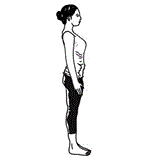
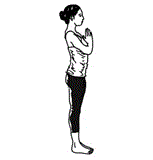
1

Pranamasana

Prayer Pose
प्रणामासन
Om Mitraya Namaha
BodyLevels the pelvis and spine, steadies the breath before movement begins.श्रोणि और रीढ़ को संतुलित करता है, गति शुरू होने से पहले श्वास को स्थिर करता है।
Brain & MindQuiets mental chatter and gathers scattered attention into one point.मन की उथल-पुथल शांत करता है और बिखरे ध्यान को एक बिंदु पर केंद्रित करता है।
AtmaA gesture of surrender — the ego bows before beginning, so the practice starts in humility, not ambition.समर्पण का भाव — अभ्यास शुरू होने से पहले अहंकार झुकता है, ताकि साधना विनम्रता से आरंभ हो।
Surya Namaskar sequence
Image reference: Art of Living ↗
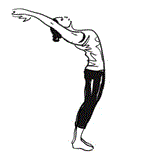
2

Hasta Uttanasana

Raised Arms Pose
हस्त उत्तानासन
Om Ravaye Namaha
BodyOpens the chest and lungs, stretches the abdomen and lengthens the spine.छाती और फेफड़ों को खोलता है, उदर को खींचता है और रीढ़ को लंबा करता है।
Brain & MindThe backward opening lifts mood and increases alertness.पीछे की ओर खुलाव मनोदशा को ऊपर उठाता है और सजगता बढ़ाता है।
AtmaReaching upward toward Ravi, the shining one — the heart opens to receive light rather than merely seek it.रवि की ओर ऊपर पहुँचना — हृदय प्रकाश खोजने के बजाय उसे ग्रहण करने हेतु खुलता है।
Surya Namaskar sequence
Image reference: Art of Living ↗
3

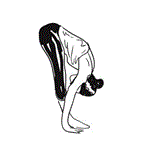
Hasta Padasana

Hand-to-Foot Pose
हस्त पादासन
Om Suryaya Namaha
BodyStretches hamstrings and calves, tones abdominal organs and aids digestion.हैमस्ट्रिंग व पिंडलियों को खींचता है, उदर के अंगों को सुदृढ़ करता है और पाचन में सहायक है।
Brain & MindThe forward fold increases blood flow to the brain and settles the nervous system.आगे झुकना मस्तिष्क में रक्त प्रवाह बढ़ाता है और तंत्रिका तंत्र को शांत करता है।
AtmaA full bow to Surya — humility before the source of life, the small self folding before the greater one.सूर्य के प्रति पूर्ण नमन — जीवन के स्रोत के समक्ष विनम्रता, लघु स्व का विराट के आगे झुकना।
Surya Namaskar sequence
Image reference: Art of Living ↗
4

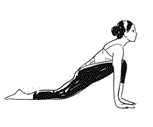
Ashwa Sanchalanasana

Equestrian Pose
अश्व संचालनासन
Om Bhanave Namaha
BodyStrengthens the legs, opens the hip flexors, stimulates the abdominal organs.पैरों को मजबूत करता है, कूल्हों को खोलता है और उदर के अंगों को सक्रिय करता है।
Brain & MindThe lunge builds focus and quiet courage — the mind steadies as the body reaches forward.यह मुद्रा एकाग्रता और शांत साहस विकसित करती है — शरीर के आगे बढ़ने के साथ मन स्थिर होता है।
AtmaLike a horse advancing, the soul moves forward toward Bhanu, the luminous one, rather than standing still.घोड़े की भाँति आगे बढ़ते हुए, आत्मा स्थिर रहने के बजाय तेजस्वी भानु की ओर अग्रसर होती है।
Surya Namaskar sequence
Image reference: Art of Living ↗
5

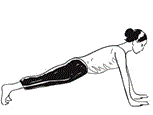
Dandasana

Plank / Stick Pose
दंडासन
Om Khagaya Namaha
BodyBuilds strength through the arms, wrists and core, and teaches whole-body stability.भुजाओं, कलाइयों और क्रोड की शक्ति बढ़ाता है और पूरे शरीर की स्थिरता सिखाता है।
Brain & MindDevelops sankalpa shakti — willpower — the mental effort of holding steady.संकल्प शक्ति — इच्छाशक्ति — का विकास करता है, स्थिर बने रहने का मानसिक प्रयास।
AtmaPoised like Khaga, a bird in flight — the soul learns to stay steady in the midst of effort.खग की भाँति उड़ान में स्थिर — आत्मा प्रयास के बीच भी अडिग रहना सीखती है।
Surya Namaskar sequence
Image reference: Art of Living ↗
6

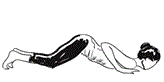
Ashtanga Namaskara

Salute with Eight Points
अष्टांग नमस्कार
Om Pushne Namaha
BodyStrengthens chest and arms as eight points of the body — feet, knees, chest, hands, chin — touch the earth.छाती और भुजाओं को मजबूत करता है, जब शरीर के आठ अंग — पैर, घुटने, छाती, हाथ, ठुड्डी — धरती से स्पर्श करते हैं।
Brain & MindThe literal lowering of the body softens the ego-driven stress response.शरीर का धरती की ओर झुकना अहंकार-जनित तनाव को मृदु करता है।
AtmaTotal surrender to Pushan, the nourisher — offering the whole body as an act of devotion.पोषक पूषण के प्रति पूर्ण समर्पण — भक्ति भाव से संपूर्ण शरीर का अर्पण।
Surya Namaskar sequence
Image reference: Art of Living ↗
7

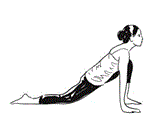
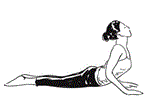
Bhujangasana

Cobra Pose
भुजंगासन
Om Hiranyagarbhaya Namaha
BodyOpens the chest, strengthens the spine, gently stimulates the digestive organs.छाती को खोलता है, रीढ़ को मजबूत करता है और पाचन अंगों को हल्के रूप से सक्रिय करता है।
Brain & MindEnergises the solar-plexus region and is widely felt to lift a heavy or low mood.सौर-जाल क्षेत्र को ऊर्जावान बनाता है और भारी या उदास मन को हल्का करने में सहायक माना जाता है।
AtmaThe rising of Hiranyagarbha, the golden womb — creative consciousness stirring and lifting within.हिरण्यगर्भ, स्वर्णिम गर्भ का उदय — भीतर सृजनात्मक चेतना का जागरण और उत्थान।
Surya Namaskar sequence
Image reference: Art of Living ↗
8

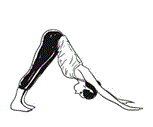
Adho Mukha Svanasana

Downward-Facing Dog
अधोमुख श्वानासन
Om Marichaye Namaha
BodyLengthens the spine, hamstrings and calves; strengthens the shoulders and relieves fatigue.रीढ़, हैमस्ट्रिंग व पिंडलियों को लंबा करता है; कंधों को मजबूत करता है और थकान दूर करता है।
Brain & MindThe gentle inversion increases circulation to the brain and calms the mind.यह हल्की उल्टी मुद्रा मस्तिष्क में रक्त संचार बढ़ाती है और मन को शांत करती है।
AtmaShaped like a mountain peak, the body honours Marichi, lord of the dawn's first rays, reaching toward the infinite.पर्वत-शिखर सा आकार लेकर शरीर प्रभात-किरणों के स्वामी मरीचि का सम्मान करता है, अनंत की ओर पहुँचते हुए।
Surya Namaskar sequence
Image reference: Art of Living ↗
9

Ashwa Sanchalanasana

Equestrian Pose, other leg
अश्व संचालनासन (दूसरा पैर)
Om Adityaya Namaha
BodyMirrors posture four, restoring balance and symmetry through both legs and hips.आसन चार का दर्पण-रूप, दोनों पैरों व कूल्हों में संतुलन और समरूपता लाता है।
Brain & MindThe mirrored movement balances effort across both hemispheres of the mind.यह दर्पण-गति मन के दोनों गोलार्धों में प्रयास को संतुलित करती है।
AtmaAditya, child of boundless Aditi, reminds the soul that its own nature is likewise without limit.असीम अदिति के पुत्र आदित्य, आत्मा को स्मरण कराते हैं कि उसका स्वभाव भी उतना ही असीम है।
Surya Namaskar sequence
Image reference: Art of Living ↗
10

Hasta Padasana

Hand-to-Foot Pose, return
हस्त पादासन (वापसी)
Om Savitre Namaha
BodyReleases tension built through the sequence and deepens the forward fold.क्रम भर में बना तनाव मुक्त करता है और आगे के झुकाव को गहरा करता है।
Brain & MindTurns attention inward, closing the outward-moving part of the round.ध्यान को भीतर की ओर मोड़ता है, चक्र के बाह्य-गामी भाग को समेटते हुए।
AtmaSavitr, the impelling power behind the Gayatri mantra, stirs the soul's own inner will to awaken.गायत्री मंत्र के पीछे की प्रेरक शक्ति सवितृ, आत्मा की भीतरी इच्छाशक्ति को जगाती है।
Surya Namaskar sequence
Image reference: Art of Living ↗
11

Hasta Uttanasana

Raised Arms Pose, return
हस्त उत्तानासन (वापसी)
Om Arkaya Namaha
BodyRe-expands the chest and spine, energising the body before it returns to stillness.छाती और रीढ़ को पुनः विस्तार देता है, स्थिरता में लौटने से पहले शरीर को ऊर्जावान बनाता है।
Brain & MindAn uplifting shift in energy prepares the mind to return to centre.ऊर्जा में यह उत्थान मन को केंद्र की ओर लौटने हेतु तैयार करता है।
AtmaArka, the cosmic fire worthy of praise, is honoured as reverence rises with the body.स्तुति योग्य ब्रह्मांडीय अग्नि अर्क का सम्मान, जैसे-जैसे शरीर उठता है भक्ति भाव भी उठता है।
Surya Namaskar sequence
Image reference: Art of Living ↗
12

Tadasana / Pranamasana

Mountain Pose, return
ताड़ासन / प्रणामासन
Om Bhaskaraya Namaha
BodyIntegrates the whole round and resets posture to standing stillness.पूरे चक्र को समेकित करता है और मुद्रा को स्थिर खड़े रूप में लौटाता है।
Brain & MindThe nervous system settles, and the mind absorbs the effect of the completed round.तंत्रिका तंत्र शांत होता है, और मन पूर्ण हुए चक्र के प्रभाव को आत्मसात करता है।
AtmaBhaskara, the illuminator — the cycle closes as the soul recognises its own light mirrored in the sun's.प्रकाशदाता भास्कर — चक्र पूर्ण होता है जब आत्मा अपने ही प्रकाश को सूर्य में प्रतिबिंबित देखती है।

Note on numbering: this page names the twelve core postures of the classical round. Because postures 4, 5 and 9–11 repeat with a mirrored leg or a return movement, a single full round contains closer to twenty-two individual movements — and lineages that treat Tadasana, Parvatasana variants, or the mirrored lunge as separately named asanas commonly describe the sequence as having anywhere from twelve to sixteen named postures. गिनती पर टिप्पणी: यह पृष्ठ पारंपरिक चक्र के बारह मुख्य आसनों के नाम देता है। चूँकि आसन 4, 5 और 9–11 विपरीत पैर या वापसी की गति के साथ दोहराए जाते हैं, एक पूर्ण चक्र में वास्तव में लगभग बाईस गतियाँ होती हैं — और जो परंपराएँ ताड़ासन, पर्वतासन के रूपांतर या दर्पण-लंज को अलग नामित आसन मानती हैं, वे इस क्रम को बारह से सोलह नामित आसनों वाला बताती हैं।
Dinacharya · Daily Practice दिनचर्या

Bringing It Into the Dayदैनिक अभ्यास में शामिल करना

Whenकब

Traditionally practised at sunrise, in Brahma Muhurta — the hour before dawn — facing east, on an empty stomach.परंपरागत रूप से सूर्योदय के समय, ब्रह्म मुहूर्त में, पूर्व दिशा की ओर मुख करके, खाली पेट अभ्यास किया जाता है।

How many roundsकितने चक्र

Begin with 4 rounds (left and right leg leading) and build gradually; twelve rounds is considered a complete daily practice.4 चक्रों से आरंभ करें (बाएँ व दाएँ पैर के साथ) और धीरे-धीरे बढ़ाएँ; बारह चक्र पूर्ण दैनिक अभ्यास माना जाता है।

Breathश्वास

One breath per posture — inhale on the opening, backward-bending postures, exhale on the folding, forward postures.प्रत्येक आसन के साथ एक श्वास — पीछे झुकने वाले आसनों में श्वास लें, आगे झुकने वाले आसनों में श्वास छोड़ें।

After Surya Namaskarसूर्य नमस्कार के बाद

The warmed, opened body is traditionally followed by standing, seated, and supine asanas, then pranayama and a period of stillness.शरीर के गर्म व खुलने के बाद परंपरागत रूप से खड़े, बैठे व लेटे हुए आसन, फिर प्राणायाम और स्थिरता का अभ्यास किया जाता है।

Reference · Tachyon Knowledge तकनीकी ज्ञान

Tachyon Knowledgeतकनीकी ज्ञान

Physiology, chakra correlations, and practice parameters behind the twelve postures.

बारह आसनों के पीछे की शरीरक्रिया विज्ञान, चक्र-सहसंबंध और अभ्यास से जुड़े मापदंड।

Posture आसन Chakra चक्र Region क्षेत्र
1 · PranamasanaAnahataHeart हृदय
2 · Hasta UttanasanaVishuddhaThroat कंठ
3 · Hasta PadasanaSwadhisthanaSacral त्रिक
4 · Ashwa SanchalanasanaAjnaThird eye भ्रूमध्य
5 · DandasanaManipuraSolar plexus नाभि
6 · Ashtanga NamaskaraManipuraSolar plexus नाभि
7 · BhujangasanaSwadhisthanaSacral त्रिक
8 · Adho Mukha SvanasanaVishuddhaThroat कंठ
9 · Ashwa SanchalanasanaAjnaThird eye भ्रूमध्य
10 · Hasta PadasanaSwadhisthanaSacral त्रिक
11 · Hasta UttanasanaVishuddhaThroat कंठ
12 · Tadasana / PranamasanaAnahataHeart हृदय

Systems Engagedसक्रिय शारीरिक तंत्र

  • Musculoskeletal: nearly every major muscle group is stretched and loaded across the round.लगभग हर प्रमुख मांसपेशी समूह इस चक्र में खिंचता और सक्रिय होता है।
  • Cardiovascular: continuous movement raises heart rate, functioning as a mild aerobic warm-up.निरंतर गति हृदय गति को बढ़ाती है, हल्के एरोबिक वार्म-अप की तरह कार्य करती है।
  • Respiratory: full inhalation/exhalation per posture expands lung capacity over time.प्रत्येक आसन के साथ पूर्ण श्वास-प्रश्वास समय के साथ फेफड़ों की क्षमता बढ़ाता है।
  • Endocrine & nervous: alternating backbends and forward folds are said to balance the sympathetic and parasympathetic response.पीछे व आगे झुकने का क्रम सहानुभूतिपूर्ण और परानुकंपी तंत्र को संतुलित करता माना जाता है।

Practice Parametersअभ्यास के मापदंड

  • Energy cost: roughly 13–14 kcal per round for an average adult, rising with pace.औसत वयस्क के लिए प्रति चक्र लगभग 13–14 कैलोरी, गति के साथ यह बढ़ता है।
  • Duration: a slow, breath-led round takes about 45–60 seconds; a vinyasa-paced round, 20–30 seconds.धीमी, श्वास-आधारित गति में एक चक्र लगभग 45–60 सेकंड लेता है; तेज़ विन्यास गति में 20–30 सेकंड।
  • Breath ratio: one inhale or exhale per posture, twelve breaths per round.प्रत्येक आसन के साथ एक श्वास — प्रति चक्र बारह श्वास।
  • Progression: add rounds gradually; many teachers suggest increasing by one round every few days.चक्रों को धीरे-धीरे बढ़ाएँ; कई शिक्षक हर कुछ दिनों में एक चक्र जोड़ने की सलाह देते हैं।

Safety Notesसुरक्षा संबंधी बातें

  • Modify or avoid deep backbends and inversions during pregnancy.गर्भावस्था में गहरे पश्चवर्ती मोड़ व उलटे आसनों से बचें या संशोधित करें।
  • Use caution with uncontrolled high blood pressure, hernia, or recent abdominal surgery.अनियंत्रित उच्च रक्तचाप, हर्निया या हाल की उदर-सर्जरी में सावधानी बरतें।
  • Avoid deep forward folds and plank-loading with acute lower-back injury.तीव्र पीठ दर्द की स्थिति में गहरे आगे झुकाव और प्लैंक भार से बचें।
  • Learn the sequence from a qualified teacher before practising independently.स्वतंत्र रूप से अभ्यास करने से पहले किसी योग्य शिक्षक से यह क्रम सीखें।

Chakra correlations follow traditional yogic teaching and are not medical claims. This reference is educational and does not replace guidance from a qualified teacher or physician.चक्र-सहसंबंध पारंपरिक योग शिक्षा पर आधारित हैं, चिकित्सीय दावे नहीं हैं। यह जानकारी शैक्षिक है और किसी योग्य शिक्षक या चिकित्सक के परामर्श का विकल्प नहीं है।